
Post-Mortem Handling – Health and Safety

Uncategorized
Wishlist Share

About Course

Comprehensive Planning and Conducting of a Contaminated Post-Mortem

Contaminated post-mortems involve handling bodies that have been exposed to hazardous substances such as chemical, biological, radiological, or nuclear agents (CBRN). The complexity of these post-mortems requires a systematic approach that integrates legal compliance, specialized planning, comprehensive safety procedures, and precise handling of contaminated materials. Below, each main topic is covered in greater detail to provide a structured framework for conducting such operations safely and efficiently.

The Post-Mortem Handling – Health and Safety course is designed to equip healthcare professionals, forensic experts, and mortuary staff with the essential knowledge and skills required for the safe and respectful handling of deceased individuals. The course provides a comprehensive understanding of the health and safety protocols, legal considerations, and best practices for post-mortem management to ensure the well-being of both personnel and the community.
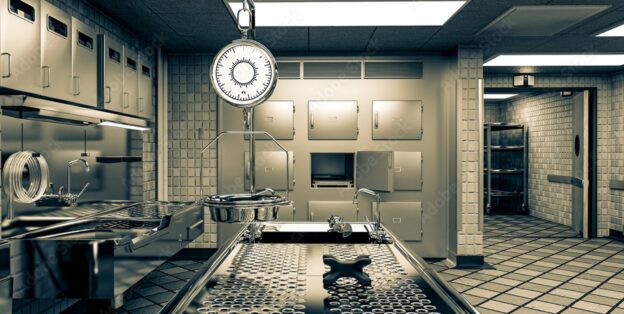
Participants will be trained in proper hygiene and infection control procedures, handling of infectious bodies, and risk assessment associated with different post-mortem scenarios. The program integrates theoretical knowledge with practical application through simulations and interactive sessions, ensuring participants can confidently manage post-mortem cases while adhering to health and safety regulations.


Show More

What Will You Learn?

  • What Will You Learn:
  • Health and Safety Protocols:
  • Understand the guidelines and regulatory frameworks for safe post-mortem handling, including PPE usage and biohazard management.
  • Infection Control and Hygiene:
  • Learn about effective infection control measures, including disinfection techniques, handling of potentially infectious bodies, and contamination prevention.
  • Risk Assessment and Incident Management:
  • Assess the risks associated with handling deceased individuals, including chemical and biological hazards, and learn to implement risk management strategies.
  • Post-Mortem Techniques and Procedures:
  • Gain knowledge in proper post-mortem techniques, including transportation, storage, and preparation of bodies for autopsy or burial.
  • Legal and Ethical Considerations:
  • Explore the legal and ethical aspects of post-mortem handling, including consent, documentation, and interaction with bereaved families.

Course Content

Introduction to Morgue Health and Safety
The Introduction to Morgue Health and Safety module is designed to provide participants with a foundational understanding of the safety practices, protocols, and risk management strategies necessary for working in a morgue environment. This topic addresses the unique challenges associated with handling deceased individuals, ensuring that professionals can maintain a safe and hygienic workspace while performing their duties. Participants will explore the essential health and safety guidelines, including the use of personal protective equipment (PPE), contamination prevention, and infection control measures to minimize exposure to biohazards and chemical risks. The module also covers proper waste management, disinfection procedures, and emergency response plans to deal with potential hazards such as chemical spills or the presence of infectious pathogens. Emphasis is placed on understanding the regulatory standards and ethical considerations for handling bodies, maintaining respect and dignity for the deceased, and ensuring compliance with local and international health and safety regulations. By the end of this module, participants will be equipped with the necessary knowledge and skills to create a safe working environment within the morgue and handle post-mortem cases effectively and responsibly.

  • Overview on Infectious Disease Control and Prevention
  • Chemical Hazards and Management in Post-Mortem Care
  • Physical Hazards and Management in Post-Mortem Care
  • Emergency Response and Preparedness in Post-Mortem Care
  • REFERENCES
  • Powerpoint Presentation

Contaminated Post-Mortem Process
The Contaminated Post-Mortem Process refers to the procedures and protocols followed when handling deceased individuals who have been exposed to infectious agents, hazardous chemicals, or radiological substances. This process is critical in protecting morgue personnel, healthcare professionals, and the environment from potential contamination and exposure to biohazards or toxic substances during post-mortem examination and handling. Key Steps in the Contaminated Post-Mortem Process: Initial Risk Assessment: Conduct a thorough assessment to identify the nature and extent of contamination. This includes reviewing the medical history, cause of death, and circumstances surrounding the case to determine the potential risks involved. Categorize the level of contamination (e.g., infectious, chemical, radiological) to establish the required safety measures. Preparation and Use of Personal Protective Equipment (PPE): Select and wear appropriate PPE based on the identified risks, including gloves, fluid-resistant gowns, face shields, respirators, and, in some cases, full-body suits. Ensure that PPE is properly fitted, and personnel are trained in donning and doffing procedures to avoid self-contamination. Isolation and Handling of the Body: Handle the body with extreme caution to prevent the spread of contaminants. Place the body in a sealed, leak-proof body bag with clear labeling indicating the type of contamination. Avoid using invasive procedures that may generate aerosols or cause further contamination unless absolutely necessary. Environmental Controls and Morgue Setup: Set up a dedicated area within the morgue for contaminated cases, equipped with negative pressure ventilation, appropriate waste disposal systems, and decontamination facilities. Implement strict access controls to prevent unauthorized personnel from entering the contaminated area. Specimen Collection and Post-Mortem Examination: Follow specific guidelines for collecting and handling specimens from contaminated bodies to minimize exposure. Use sealed containers and limit the number of personnel involved in the procedure. Conduct examinations under controlled conditions with limited manipulation of the body to avoid the release of contaminants. Decontamination and Waste Management: Implement decontamination procedures for the body, equipment, and workspace immediately after the examination. Use approved disinfectants and waste disposal methods to neutralize infectious agents or hazardous chemicals. Properly dispose of contaminated PPE, specimens, and other materials according to regulatory guidelines to prevent environmental contamination. Documentation and Communication: Maintain detailed documentation of all procedures followed, personnel involved, and safety measures implemented during the contaminated post-mortem process. Communicate findings and recommendations to relevant authorities and health officials to ensure coordinated management of contaminated cases. Key Considerations: Adherence to local and international health and safety regulations, including guidelines from the World Health Organization (WHO), Centers for Disease Control and Prevention (CDC), and Occupational Safety and Health Administration (OSHA). Continuous training and drills for morgue personnel to ensure preparedness for handling contaminated post-mortem cases. Regular review and updating of protocols to incorporate new findings, emerging risks, and technological advancements in contamination control. By implementing these measures, morgue personnel can manage contaminated post-mortem cases effectively, ensuring the safety and health of staff while maintaining the integrity of the examination process.

CBRN Contaminated Post-Mortem Plan
The CBRN Contaminated Post-Mortem Plan outlines the protocols and strategies for safely managing post-mortem examinations of deceased individuals exposed to Chemical, Biological, Radiological, or Nuclear (CBRN) agents. This plan is crucial for protecting morgue personnel, healthcare workers, and the environment from the unique hazards associated with CBRN contamination. Contaminated post-mortems involve handling bodies that have been exposed to hazardous substances such as chemical, biological, radiological, or nuclear agents (CBRN). The complexity of these post-mortems requires a systematic approach that integrates legal compliance, specialized planning, comprehensive safety procedures, and precise handling of contaminated materials. Below, each main topic is covered in greater detail to provide a structured framework for conducting such operations safely and efficiently.  Purpose of the Plan: The CBRN Contaminated Post-Mortem Plan aims to establish a systematic approach to handling, examining, and disposing of bodies exposed to CBRN agents, ensuring compliance with health and safety standards while maintaining the dignity and respect of the deceased. Key Elements of the CBRN Contaminated Post-Mortem Plan: 1. Risk Assessment and Initial Screening: Preliminary Evaluation: Assess the risk level based on the known or suspected CBRN agent involved, mode of exposure, and contamination extent. Risk Categorization: Classify the case as low, moderate, or high-risk to determine the necessary precautions and resources required. Coordination with Authorities: Collaborate with public health agencies, forensic teams, and emergency responders to gather information on the nature of the CBRN exposure and establish a coordinated response. 2. Morgue Setup and Zoning: Designated Areas: Establish separate zones within the morgue for CBRN-contaminated cases, including a high-risk zone for examination, a contamination control zone, and a clean zone for administrative work. Access Control: Implement strict access controls to restrict entry to authorized personnel only. Use signage to indicate contamination zones and enforce entry/exit procedures. Environmental Controls: Set up negative pressure ventilation systems, air filtration units, and waste management systems to minimize the risk of airborne or surface contamination. 3. Personal Protective Equipment (PPE) Protocol: Selection of PPE: Select appropriate PPE based on the CBRN agent type and risk assessment. This may include full-body suits, self-contained breathing apparatus (SCBA), double gloves, and chemical-resistant boots. Donning and Doffing Procedures: Implement strict procedures for putting on and removing PPE to avoid self-contamination. Use trained personnel to monitor and assist in donning/doffing processes. Decontamination of PPE: After use, decontaminate PPE using approved chemical decontaminants or radiological cleansing agents before disposal or reuse. 4. Handling and Examination of Contaminated Bodies: Body Handling: Use containment methods such as double body bags, sealed caskets, or specially designed containers to prevent leakage or release of contaminants. Minimize body movement and manipulation to reduce the potential for aerosolization or spread of contaminants. Post-Mortem Examination: Conduct examinations using minimal invasive techniques to reduce the risk of exposure. Perform radiological scanning or chemical sampling before opening body bags to assess contamination levels. Utilize specialized tools and equipment (e.g., HEPA-filtered dissection tables) to contain and control contamination. 5. Specimen Collection and Analysis: Specimen Handling: Use sealed containers and double-bagging techniques for collecting and transporting biological, chemical, or radiological specimens. Label specimens clearly with hazard symbols and provide detailed documentation of the specimen’s origin and contamination status. Laboratory Coordination: Coordinate with specialized laboratories equipped to handle and analyze CBRN-contaminated specimens. Ensure that specimens are handled in accordance with biosafety and hazardous material handling protocols. 6. Decontamination and Waste Management: Body and Equipment Decontamination: Apply appropriate decontamination procedures to the body surface using approved chemical neutralizers or radiological decontaminants before further examination or release. Decontaminate tools, equipment, and surfaces after the examination using agents specific to the CBRN agent involved. Waste Disposal: Segregate contaminated waste into designated containers for biological, chemical, or radiological waste. Follow regulatory guidelines for transportation and disposal of hazardous waste, including incineration, chemical neutralization, or burial in designated facilities. 7. Documentation and Communication: Record Keeping: Maintain detailed records of the examination process, PPE used, decontamination procedures, and waste management. Document all interactions with contaminated specimens or bodies, including personnel involved and times of entry/exit from contaminated zones. Reporting: Report findings and any incidents of exposure to relevant health and safety authorities. Communicate with family members of the deceased, providing appropriate information while maintaining confidentiality and sensitivity. 8. Emergency Response and Incident Management: Emergency Protocols: Develop emergency response plans for accidental exposure or contamination spills within the morgue. Ensure all personnel are trained in emergency procedures, including evacuation, spill containment, and first aid for CBRN exposure. Exposure Management: Implement immediate medical evaluation and treatment for any personnel exposed to CBRN agents during post-mortem handling. Conduct a follow-up health assessment and provide psychological support as needed. 9. Training and Competency: Personnel Training: Train all personnel involved in CBRN post-mortem handling on the use of PPE, decontamination procedures, risk assessment, and emergency response. Conduct regular drills and simulations to ensure preparedness and competence. Competency Evaluation: Evaluate personnel competency through practical demonstrations, written assessments, and peer reviews. 10. Review and Continuous Improvement: Protocol Review: Regularly review and update the CBRN post-mortem handling protocols based on new research, incident reports, and regulatory changes. Continuous Improvement: Implement a system for continuous feedback and improvement, encouraging personnel to report suggestions or concerns related to CBRN post-mortem procedures. Conclusion:

Post-Mortem Safety and CBRN Handling Quiz Questions

Toxicology Training Program Quiz

Student Ratings & Reviews

No Review Yet
No Review Yet